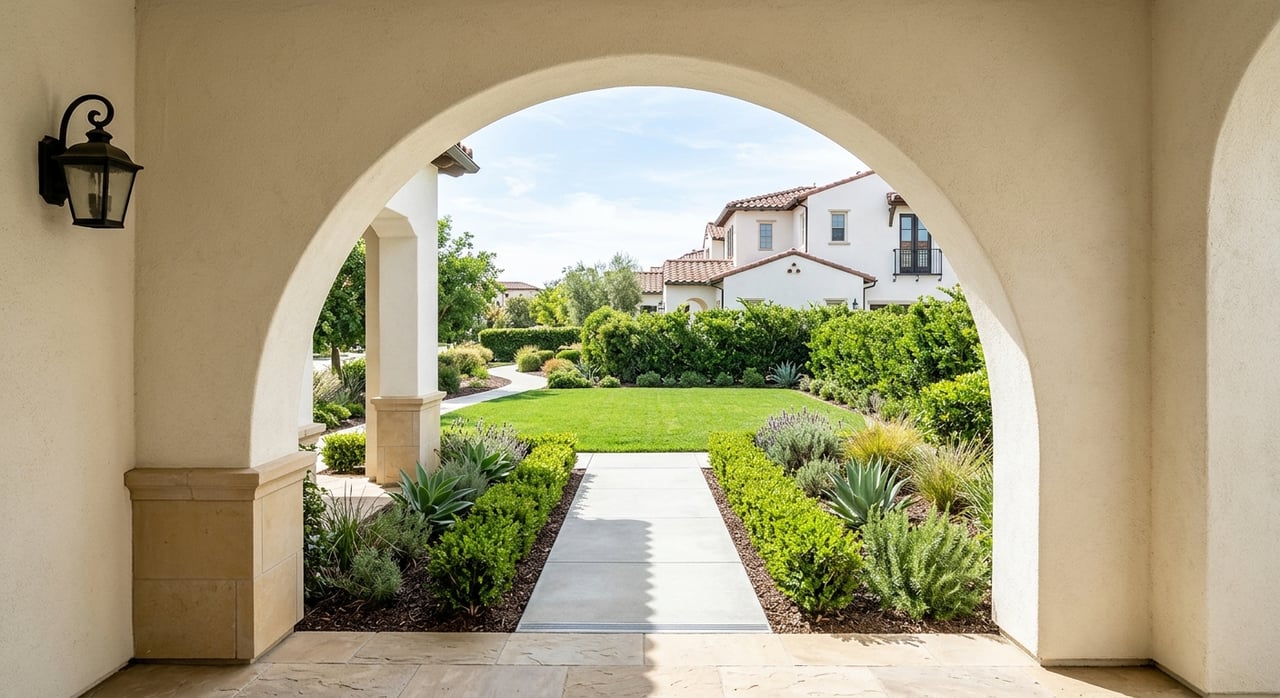
Thinking about buying in an HOA community in Menifee? You are not alone, and it is smart to ask questions before you fall in love with the pool, trails, or clubhouse. HOA living can offer convenience, shared amenities, and a more structured community experience, but it also comes with mandatory dues, rules, and important documents to review. This guide will walk you through what HOA living in Menifee typically means so you can move forward with more clarity and confidence. Let’s dive in.
HOA Living in Menifee Basics
Menifee includes a mix of established neighborhoods and newer master-planned communities. According to the city’s Land Use Element, residential development north of Salt Creek is largely made up of traditional and master-planned single-family neighborhoods. That matters because many of these communities are set up as common-interest developments, which means HOA membership is automatic when you buy.
In larger communities, there may be more than one association involved. A home can be part of a master association, a sub-association, or both. If you are buying in a large planned neighborhood, that is an important detail to confirm early.
HOA Services vs City Services
One of the biggest points of confusion is the difference between what your HOA handles and what the City of Menifee handles. They are not the same thing, and your HOA dues do not replace city services. Instead, HOA fees typically support private neighborhood amenities and common-area maintenance.
Menifee maintains its own public parks system, including places like Audie Murphy Ranch Sports Park. The city also makes clear that HOA parks are private and not open to the public. In simple terms, public recreation and HOA amenities operate separately.
What HOA Dues Usually Cover
It is easy to focus on the monthly dues number, but that number is only part of the picture. In California, HOA dues help fund the association’s operating budget, which includes both current expenses and future repair planning. That means your dues usually cover more than what you can see from the street.
Typical HOA budget items often include:
- Common-area landscaping
- Pool and amenity upkeep
- Management company fees
- Insurance
- Reserve contributions for future repairs and replacements
California law requires annual budget reports, reserve summaries, reserve funding plans, and insurance disclosures. So when you pay dues, you are contributing to the day-to-day operation of the community and to long-term financial planning.
Why Reserve Funds Matter
A well-run HOA does not just pay today’s bills. It also plans for future costs like replacing major components or handling large repairs. That is where reserve funds come in.
If reserves are weak or unexpected expenses come up, the association may need a special assessment. Special assessments are extra charges used for major repairs, replacements, or one-time expenses when regular dues are not enough. For buyers, this is why it is important to ask not only what the dues are now, but also how financially prepared the association is for future needs.
Menifee Amenities Can Be Extensive
In Menifee, some HOA communities offer a lot more than basic landscaping. Audie Murphy Ranch is a strong local example of what buyers often mean when they talk about HOA living here. The community has been described by the city as a large master-planned development with a recreation center, multiple parks, swimming pools, sports-park amenities, trails, and nature preserves.
Current community materials also list features such as three pools, two spas, a wading pool, a skate park, clubhouse space, sports fields, barbecue areas, courts, and firepits. Amenities like these can be a real lifestyle benefit, but they also require ongoing maintenance. That is one reason HOA dues in higher-amenity communities may be higher than in neighborhoods with fewer shared features.
HOA Rules and Restrictions to Expect
HOA living usually comes with community rules designed to guide how shared spaces and visible property features are maintained. In California, governing documents like CC&Rs and community rules often address topics such as parking, landscaping, and exterior changes. Some associations also use architectural committees to review certain home modifications.
That does not automatically mean the rules are unreasonable, but it does mean you should read them closely. If you plan to change your landscaping, add exterior features, or use your property in a specific way, it is worth confirming what the HOA allows before you close.
Rental Rules Are Not Always Flexible
If you are thinking long term, rental rules deserve special attention. Some HOAs restrict rentals or leasing, and California resale disclosures require those restrictions to be disclosed to buyers. In other words, you should never assume you can rent out the home later just because you own it.
This is especially important for buyers who may relocate in the future or want to keep the home as an investment. A quick review of the governing documents can help you avoid surprises.
How HOA Enforcement Works in California
If a homeowner is accused of violating a rule, California law sets a process the board must follow. Before imposing discipline or certain reimbursement charges, the board must give at least 10 days’ written notice, describe the alleged violation, and give the owner a chance to attend and speak. In many cases, the owner must also have an opportunity to correct the issue.
As of June 30, 2025, monetary penalties generally cannot exceed $100 per violation unless the board makes a written health-or-safety finding. Late charges or interest also cannot be charged on the penalty itself. That structure is meant to provide notice and a fair process, but it still underscores why it is important to understand the rules before moving in.
Missing HOA Payments Can Get Expensive
HOA dues are mandatory in a common-interest development. If they go unpaid, they become a debt of the owner under California law. Delinquent assessments can lead to late charges, collection costs, attorney’s fees, interest, and formal notices before a lien is recorded.
The practical takeaway is simple: HOA dues are not optional. If a home is in an HOA, those payments need to be part of your real monthly housing budget from the start.
The City Usually Does Not Handle HOA Disputes
Some buyers assume the city will step in if there is a disagreement about HOA rules. In Menifee, that is generally not how it works. The city states that HOA CC&R complaints are handled by the local HOA, not by code enforcement.
That means most rule disputes are handled through the association’s own governance and dispute-resolution process. If you are considering a home in an HOA community, it helps to think of the association as its own governing layer for that neighborhood.
What Buyers Should Review Before Closing
If you are buying in an HOA community in Menifee, review the disclosure package carefully. California law requires sellers in common-interest developments to provide a substantial set of association documents during resale. These documents can tell you a lot about the community’s finances, rules, and any issues tied to the property.
Key items to review include:
- Governing documents, including CC&Rs
- The most recent annual budget report
- Current regular and special assessment amounts
- Any unpaid fines tied to the property
- Unresolved violation notices
- Approved assessment changes that are not yet due
- Rental or leasing restrictions, if any
- Requested board minutes from the prior 12 months
- The latest inspection report
This is where a careful review can protect you. A neighborhood may look great on the surface, but the disclosure package often reveals how the association actually operates.
Extra Due Diligence That Can Help
The California Department of Real Estate recommends reviewing the governing documents, checking the association’s insurance, and looking at whether the budget and reserve account appear adequate. If possible, attending a board meeting can also give you a better sense of how the association communicates and handles issues.
For larger Menifee communities, it is also smart to verify whether the property falls under a master association, a sub-association, or both. That can affect your dues, your rules, and the documents you need to understand.
What Sellers Should Know Too
If you are selling a home in an HOA community, the association side of the transaction matters just as much as curb appeal and pricing. Buyers often look closely at dues, amenities, rule restrictions, and the financial condition of the HOA. A missing document or unresolved violation can slow things down during escrow.
It also helps to remember that owners are generally responsible for assessments and fines until title transfers, unless the purchase agreement says otherwise. For sellers, being organized early can make the transaction smoother and reduce avoidable delays.
The Real Tradeoff of HOA Living
For many buyers in Menifee, HOA living is a tradeoff that can be worth it. You may get access to amenities, shared maintenance, and more consistent neighborhood standards. At the same time, you are agreeing to rules, mandatory dues, and a more detailed set of disclosures.
The right fit depends on your priorities. If you want a master-planned lifestyle with private amenities, an HOA community may feel like a strong match. If you prefer fewer restrictions and less shared governance, a non-HOA option may be a better fit.
If you are weighing communities in Menifee, having a local guide can make the process much easier. Jordona Your Realtor can help you compare neighborhoods, review what to look for in HOA documents, and navigate the details with a clear, white-glove approach.
FAQs
Do you have to join an HOA when buying in a Menifee HOA community?
- Yes. In a California common-interest development, HOA membership is automatic when you purchase the home.
What do HOA dues usually cover in Menifee communities?
- HOA dues typically help pay for common-area maintenance, amenity upkeep, management fees, insurance, and reserve funding for future repairs or replacements.
Can you rent out a home in a Menifee HOA community later?
- Maybe. Some HOAs restrict rentals or leasing, and those restrictions should be disclosed in the resale documents.
Will the City of Menifee handle HOA rule disputes?
- Usually no. The city says HOA CC&R complaints are handled by the local HOA, not by city code enforcement.
What happens if you do not pay HOA dues in a Menifee community?
- Unpaid assessments can lead to late charges, collection costs, attorney’s fees, interest, and notices that may come before a lien is recorded.
What should you review before buying in a Menifee HOA community?
- Review the governing documents, budget report, assessment information, violation notices, rental restrictions, board minutes if requested, and the latest inspection report before closing.